

Avoid one rule for every hazard
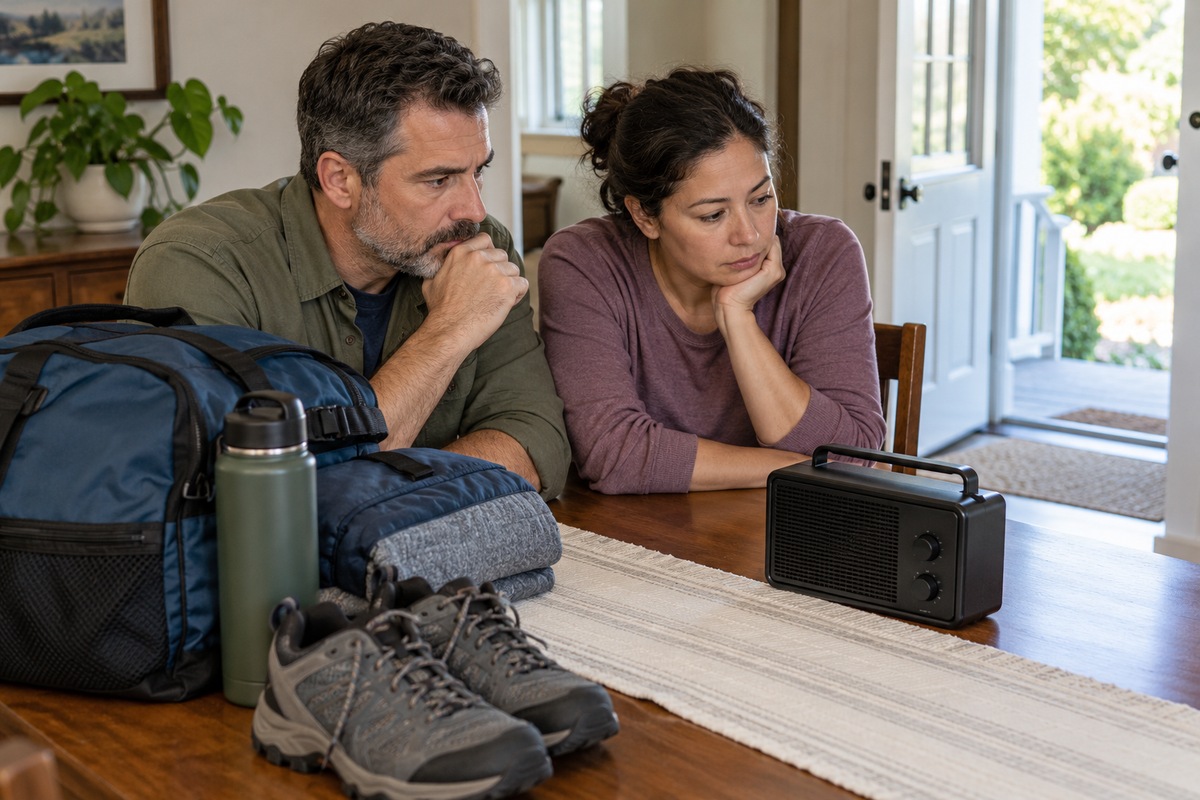
Different emergencies can require very different protective actions. A place that offers protection from one hazard may expose you to another. A basement may be appropriate in some tornado situations, while flooding can make a low area dangerous. Leaving may be necessary during an evacuation order, while certain incidents require people to remain inside. Prepare to understand and follow the instructions for the actual event rather than deciding in advance that staying or leaving is always best. Current directions from local officials matter more than a generic internet checklist.
Learn where reliable instructions will appear
Identify your local emergency management agency, official weather information, and the alerts available for your address. Check that you can receive them in a format you can use. A phone, compatible weather radio, local broadcast, and trusted support contact can provide different channels, though none is guaranteed to work in every disruption. Verify the time, location, and source of an alert before applying it. An old screenshot or an update for another county can be misleading even when shared by someone who means well.
Read the action and geographic area
When an instruction arrives, look for what action is required, which locations it covers, and whether it includes a route, destination, or time information. Do not interpret a warning only from its headline. If you need help understanding an alert, use an official information channel or a trusted person who can read the current message with you. Keep language and accessibility needs in your household plan. Avoid waiting for personal confirmation from multiple friends when officials have already issued a clear urgent protective instruction for your area.
Prepare both kinds of arrangements
Identify hazard-appropriate shelter options using local guidance and discuss evacuation destinations and transportation in advance. Keep supplies accessible without blocking movement. Make sure everyone knows how to locate essential personal items, contact information, and any agreed assistance. Planning for both options does not mean every room or vehicle is safe in every event. For example, tornado guidance emphasizes suitable sturdy shelter, while flood guidance warns against entering floodwater. Review the specific hazards relevant to where you live and work rather than borrowing a plan from a different environment.
Do not let supplies override immediate safety
A stocked pantry does not make a threatened building safe, and a packed car does not make a dangerous route passable. If officials direct evacuation, follow their instructions without delaying for optional belongings. If a building has an immediate hazard such as fire, seek safety and appropriate emergency help rather than remaining because you thought a general stay-inside message applied. Never drive into flooded roads or around barriers. Keep emergency response simple: protect life first, use current hazard-specific information, and avoid taking unnecessary risks to preserve property.
Update the plan when conditions change
Emergencies develop, and official instructions may change as responders learn more. Continue monitoring reliable information and note when an earlier direction has been replaced. Do not return to an evacuated area until authorities say it is safe. After a practice discussion or real disruption, identify what made instructions difficult to receive or follow. Improve one gap at a time, such as accessible alerts, a transport backup, or a better document location. Preparation should help you respond flexibly to the event that occurs rather than defend a decision made before it.
Further reading: Ready.gov: Shelter; Ready.gov: Evacuation; National Weather Service: During a Tornado; National Weather Service: Floodwater Safety.